 88222 82888

How Extreme Heat Affects Concrete Structures
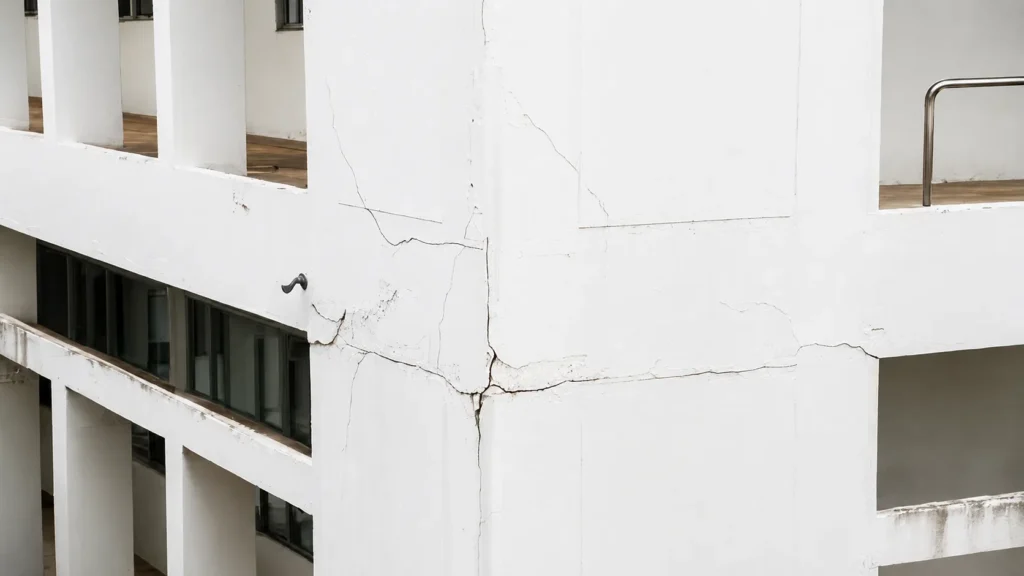
Every summer across Gujarat, construction sites face conditions that most structural materials are not designed to handle comfortably. Temperatures exceeding 40°C, low humidity, direct sunlight, and dry winds combine to create a concreting environment that demands precise management. When that management is absent, the damage shows up not immediately but over months and years as cracks, reduced load capacity, corroding reinforcement, and premature structural failure.
Homeowners, contractors, and site supervisors all need to understand what extreme heat does to a structure and what practical steps prevent that damage before it occurs
What Happens to Concrete in High Temperatures
Concrete is a reactive material, and extreme heat affects concrete from the moment mixing begins. Once water is added to cement, a chemical process called hydration begins. Hydration is what causes concrete to harden and gain strength over time. Temperature directly controls the speed and quality of this reaction.
According to the American Concrete Institute (ACI), hot weather concreting conditions apply when air temperatures exceed 32°C, relative humidity is low, wind speeds are high, or the concrete mix temperature exceeds 35°C. When several of these occur simultaneously, as they routinely do in Gujarat from March through June, the cumulative effect on concrete quality is significant.
IS 7861 (Part 1) from the Bureau of Indian Standards defines hot weather concreting conditions as ambient temperature above 40°C or concrete temperature at placement above 38°C. These thresholds govern mix design and curing requirements in summer construction.
How Extreme Heat Affects Concrete: The Six Key Mechanisms
01
Rapid Moisture Loss and Plastic Shrinkage Cracking
The most immediate way extreme heat affects concrete is through accelerated moisture evaporation from the fresh surface. Concrete requires adequate water retention during the early stages of curing for the hydration reaction to proceed fully. When surface moisture evaporates faster than it can be replenished from the mix, the concrete surface dries and shrinks while the interior remains wet.
This differential shrinkage produces plastic shrinkage cracks — fine, irregular surface cracks that form before the concrete has hardened. Once formed, these cracks create pathways for water, chlorides, and aggressive chemicals to penetrate the concrete, accelerating long-term deterioration.
Plastic shrinkage cracking risk increases sharply when evaporation exceeds 1 kg/m²/hour, a condition common on hot, windy days in Gujarat.02
Accelerated Setting Time
High temperatures speed up the hydration reaction. This is one of the most operationally disruptive ways extreme heat affects concrete on site, shortening the time between placement and initial set. This reduced workability window creates a practical problem: workers have less time to place, compact, and finish the concrete before it begins to stiffen.
When concrete is disturbed after initial set has begun, the internal structure is permanently disrupted. Retarders or plasticisers can extend workability but must be specified in the mix design in advance, not improvised on site.03
Reduced Long-Term Compressive Strength
04
Thermal Expansion and Contraction Stress
Concrete expands when heated and contracts when cooled, with a thermal expansion coefficient of approximately 10 to 12 microstrain per degree Celsius. On a structure exposed to significant daily temperature swings, this means measurable movement every 24 hours. Over years of repeated cycling, joints fail, surface spalling develops, and internal microcracks propagate. Bridges, rooftop slabs, and exposed retaining walls are particularly vulnerable. PPC cement for hot climate construction reduces the internal heat of hydration, limiting the thermal differential in thick concrete elements.
05
Increased Concrete Permeability
Poorly cured concrete, as commonly results from hot weather construction without adequate precautions, is more porous than properly cured concrete. Higher permeability means moisture, oxygen, carbon dioxide, and chloride ions penetrate the concrete more readily.
Each of these agents drives a different deterioration mechanism. Moisture and oxygen together initiate reinforcement corrosion. Carbon dioxide causes carbonation, which reduces the alkalinity, protecting the steel reinforcement. Chlorides accelerate the corrosion process once the protective oxide layer breaks down.
The combined effect in coastal Gujarat, where chloride-laden sea air adds to the thermal stress, is premature structural deterioration that requires expensive remediation well before the structure reaches its design life.06
Long-Term Reinforcement Corrosion
Cement Selection for Hot Weather Construction
The cement type used in hot weather construction directly influences how well concrete manages thermal stress. Standard OPC generates a higher heat of hydration than blended cements. In large pours and thick foundations during summer, this internal heat compounds external ambient temperature, increasing thermal cracking risk from the inside out.
PPC cement generates significantly less heat of hydration because part of the clinker is replaced by fly ash, reducing the internal temperature differential in large pours. PPC also continues gaining strength beyond 28 days, partially compensating for early-strength reduction from summer curing conditions. For very large infrastructure pours, Portland Slag Cement (PSC) offers even lower heat output.
Proven Summer Construction Tips to Protect Concrete
Schedule Concrete Placement During Cooler Hours
Pre-Cool Mix Ingredients Where Possible
Protect Fresh Concrete from Direct Sunlight and Wind
Cure Continuously and for Long Enough
Curing is the most critical and most frequently neglected precaution in hot-weather construction. The objective is to maintain adequate moisture at the concrete surface throughout the early strength development period.
Concrete curing in hot weather requires a minimum of 7 days of moist curing for OPC concrete and 14 days for PPC or PSC under IS 456:2000 guidelines for moderate to severe exposure conditions. In hot weather, this minimum should be treated as a floor, not a target. Wet burlap, plastic sheeting, or liquid curing compounds applied immediately after finishing prevent the moisture loss that causes both surface cracking and long-term strength reduction.
Control the Water-Cement Ratio
Use Quality Cement Specified for the Conditions
Cement quality in summer construction is not just about grade. Fresh cement from a reliable manufacturer with consistent composition performs more predictably in hot weather than older or inconsistently batched cement, because setting time and heat of hydration are harder to control when cement quality varies between batches.
Vasuki Cement’s PPC and OPC grades are manufactured to BIS standards with consistent quality control across batches, supporting predictable performance in Gujarat’s demanding summer construction environment.
The Long-Term Cost of Ignoring Heat Effects on Concrete
The financial argument for addressing how extreme heat affects concrete is straightforward. The cost of proper curing, admixtures, and scheduling adjustments is modest. Surface crack repairs appearing within two to three years typically cost far more than the savings that compromised curing produced. In residential construction in Gujarat, house construction costs escalate significantly when structural remediation is needed within the first decade, which is a common outcome of poor hot weather practice.
Conclusion
Extreme heat affects concrete through six simultaneous mechanisms: accelerated setting, plastic shrinkage cracking, reduced long-term strength, thermal stress, increased permeability, and reinforcement corrosion. In Gujarat’s summer climate, where several of these conditions occur together for months, the cumulative impact on unprotected concrete is severe.
The solutions are established and cost-effective: schedule placements during cooler hours, pre-cool mix ingredients, cure continuously for the full recommended period, select cement with low heat of hydration for large pours, and control water-cement ratio through admixtures rather than added water. Structures built with these precautions consistently outperform those where hot weather was treated as background noise rather than an active construction parameter.
Planning construction this summer? Contact Vasuki Infra for cement specifications, delivery, and technical guidance across Gujarat.
FAQs
How does extreme heat affect concrete strength?
What temperature is too hot for concrete placement?
Why does concrete crack in summer?
What are the signs that heat has damaged concrete?
What are the signs that heat has damaged concrete?
Looking for Cement Supply or Dealership?
Partner with us for consistent quality, competitive pricing, and dependable delivery.
Looking for Cement Supply or Dealership?
Partner with us for consistent quality, competitive pricing, and dependable delivery.