 88222 82888

How Much Does Construction Cost Per Square Foot in Gujarat?
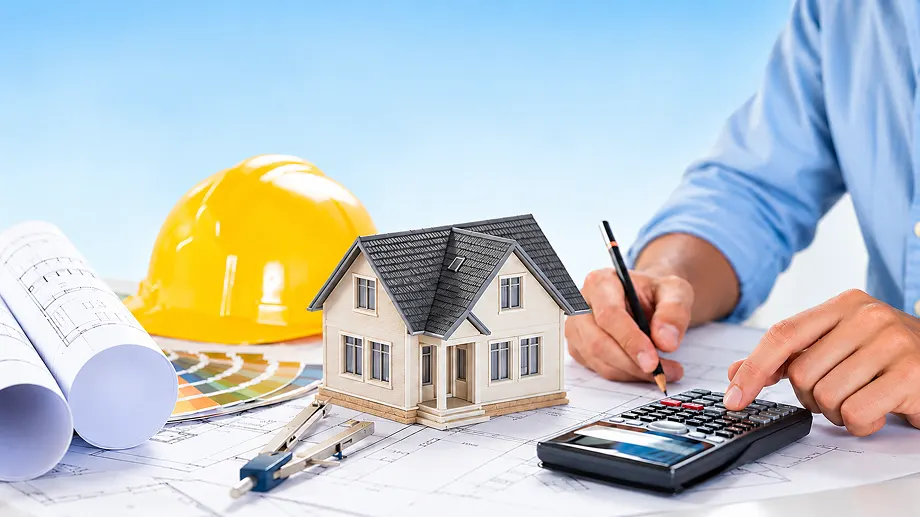
Planning to build a house in Gujarat? One of the first things to work out is the construction cost per square foot. The total budget depends on the city, built-up area, material quality, labour charges, structural design, and finishing work.
However, estimating construction costs involves more than choosing a rate per square foot. A basic house in Ahmedabad may have a different cost structure from a premium home in Surat or a house in a smaller town.
The scope of work also matters, as some estimates cover only the main construction, while others include additional finishing and fittings.
This guide breaks down the estimated house construction cost per square foot in Gujarat for 2027, explains the factors that affect pricing, and helps you calculate a preliminary budget for different house sizes. It also covers expenses that may fall outside the standard construction estimate, so you can plan your budget more accurately.
How Much Does Construction Cost Per Square Foot in Gujarat?
The construction cost per square foot is the estimated cost of building a house divided by its built-up area. It helps homeowners prepare an initial budget and compare contractor quotations.
The rate depends on the work included in the estimate. A quotation for a basic structure will cost less than one that includes flooring, painting, plumbing, electrical fittings, and other finishing work.
01
Basic, standard, and premium construction costs per sq ft
The following ranges, are useful for preliminary budgeting. They are indicative estimates based on published construction-rate guides, not official Gujarat government rates. Actual quotations may fall outside these ranges depending on the project.
| Construction type | Indicative cost per sq ft | Typical specifications |
|---|---|---|
| Basic | ₹1,400 to ₹1,800 | Simple design, functional materials, basic finishes |
| Standard | ₹1,800 to ₹2,600 | Conventional RCC construction, mid-range materials and standard finishes |
| Premium | ₹2,800 to ₹4,500 or more | Higher-grade materials, upgraded fittings, and more detailed finishes |
Source note: These planning bands draw on published 2026 estimates for India and Gujarat. Individual sources use different definitions of construction scope, so the categories are not directly interchangeable.
The table gives you a starting point, not a contractor’s final price. Before comparing rates, check whether each estimate includes materials, labour, flooring, plumbing, electrical work, painting, and other finishing items.
02
Civil construction versus turnkey construction
Civil construction generally covers the structural work and masonry, though the exact scope varies between contractors. A turnkey package may include additional services and finishes, such as plumbing, electrical work, flooring, painting, and basic fittings.
Some turnkey packages also include kitchen work, wardrobes, or other interior items, while others charge for them separately.
Always ask for a written list of inclusions and exclusions.A lower quote may cover less work, which makes a direct price comparison misleading.
Construction Cost Per Square Foot in Major Gujarat Cities
Construction rates can vary between cities and even between neighbourhoods in the same city. Material transport, site access, contractor pricing, and finishing choices all affect the final estimate.
Note: The following figures are indicative standard-construction estimates published in 2026. They are useful for early budgeting, but they are not official rates or directly comparable quotations.
What Factors Affect House Construction Costs per square foot?
01
Plot conditions and foundation requirements
Soil quality, groundwater, site slope, and excavation requirements affect foundation design. A plot that needs additional excavation or specialised foundation work may cost more to build on.
A structural engineer should determine the appropriate foundation based on site conditions and the building design.
02
Built-up area, layout, and number of floors
The built-up area is the area used to calculate the construction rate. It generally includes the covered floor area and structural elements, subject to the measurement method used.
Carpet area, which refers to the usable area inside the home, is different. Always confirm whether a contractor has quoted per square foot of built-up area or another area measurement.
The number of floors, staircase design, room layout, and structural spans also affect material quantities and labour requirements.
03
Material quality and labour charges
Cement, steel, concrete, sand, masonry blocks, and other materials account for a large part of the construction budget. Their prices vary by grade, brand, supplier, and delivery location.
Vasuki offers cement, TMT bars, and AAC blocks, which can be considered when evaluating material options for residential construction. Check the specifications and get a quotation before including it in your estimates.
Labour charges depend on the type of work, availability of skilled workers, and project schedule. For example, complex masonry or detailed finishing may require more time than straightforward construction.
04
Finishes, fittings, and design choices
Flooring, bathroom fittings, kitchen finishes, doors, windows, paint, and electrical fittings can change the final cost substantially.
A home with basic tiles and standard fittings will generally cost less than one with premium flooring, customised woodwork, and designer finishes. Decide on the finish level early so that the estimate reflects your actual requirements.
Material Breakdown of House Construction in Gujarat
| Construction component | What it covers |
|---|---|
| Foundation and plinth | Excavation, foundation work, and the base of the building |
| RCC structure | Columns, beams, slabs, reinforcement, concrete, and formwork |
| Masonry and plastering | Internal and external walls, partitions, and plaster |
| Waterproofing | Protection for areas such as roofs, bathrooms, and balconies |
| Flooring and tiling | Floor finishes and selected wall tiles |
| Doors and windows | Frames, shutters, glazing, and hardware |
| Plumbing and electrical work | Pipes, wiring, points, drainage, and basic fittings |
| Painting and finishing | Surface preparation, paint, and final finishing work |
The estimate should specify which materials and services are included in each category. Some contractors quote a combined rate, while others price individual work items separately.
Choosing the right supplier is another part of material planning. Compare product specifications, availability, delivery arrangements, and pricing before finalising your purchase. Vasuki cement can be included in this evaluation where it meets the project’s material requirements.
01
Additional expenses to budget for
The construction rate may exclude several expenses required to complete the project:
- Land purchase and related transaction costs.
- Architect, structural engineer, and other professional fees.
- Soil testing and site surveys.
- Building approvals and applicable local charges.
- Water, electricity, and other utility connections.
- Compound walls, gates, landscaping, and external paving.
- Modular kitchens, wardrobes, furniture, and appliances.
- Financing costs and a contingency for unexpected work.
Do not assume that these expenses are included in a contractor’s quote. Ask for a written breakdown before finalising the budget.
How Much Does It Cost to Build a 1,000, 1,500, or 2,000 Sq Ft House?
You can estimate your initial house construction budget by multiplying the built-up area by the construction rate per square foot.
Formula:
Construction cost = Built-up area × Construction rate per sq ft
Using the broad planning range of ₹1,600 to ₹2,600 per sq ft discussed earlier, here is what the initial budget could look like.
| Built-up area | At ₹1,600 per sq ft | At ₹2,600 per sq ft |
|---|---|---|
| 1,000 sq ft | ₹16 lakh | ₹26 lakh |
| 1,500 sq ft | ₹24 lakh | ₹39 lakh |
| 2,000 sq ft | ₹32 lakh | ₹52 lakh |
These are illustrative calculations, not contractor quotations. The rates are based on the preliminary planning range and may not cover professional fees, approvals, external work, interiors, or other excluded expenses.
01
Example: Construction cost for a 1,500 sq ft house
Suppose you plan to build a 1,500 sq ft house at an estimated rate of ₹2,000 per sq ft.
The calculation is:
1,500 × ₹2,000 = ₹30,00,000
Your initial construction estimate would be ₹30 lakh.
However, the final amount will depend on the actual design, site conditions, materials, and work included in the quotation. You should also budget separately for excluded expenses and keep a contingency based on the project’s risks.
Is Construction Cheaper in Gujarat' Cities or Smaller Towns?
Construction costs can vary across Gujarat because material prices, labour availability, transport expenses, and site conditions differ by location. CPWD’s building cost guidance identifies prevailing material and labour rates as important inputs when estimating construction costs.
City-level estimates from construction cost calculators can provide an initial comparison, but they may use different specifications and calculation methods. Before deciding where construction will cost less, compare itemised quotations using the same design, built-up area, materials, and scope of work. Remember that land purchase and construction are separate expenses.
How to Reduce Construction Costs Without Compromising Quality
01
Plan the layout before construction begins
02
Compare itemised contractor quotations
03
Choose materials based on suitability
Compare materials by their installed cost, durability, maintenance needs, and suitability for the project. A cheaper material may require more labour or additional finishing, which can reduce the initial saving.
But initial saving may cost you a dime later; use quality materials that are cost-efficient as well like Vasuki infra materials, get a quote today.
04
Avoid unnecessary design changes
05
Check work at every stage
How to Estimate Your Construction Budget Before Hiring a Contractor
Before hiring a contractor, follow these steps to get a more reliable estimate.
- Use the same area measurement for every quotation.
- Decide whether you need civil work, a finished house, or a turnkey package.
- Record the required grades, brands, finishes, and fittings.
- Identify separate costs for approvals, professional fees, utility connections, and external work.
- Review the scope and quantities, not only the total price.
- Keep a reasonable reserve for unforeseen site conditions and changes that cannot be avoided.
A detailed estimate based on drawings and specifications will usually be more useful than a general online cost calculator.
Plan Your House Construction Budget in Gujarat
The construction cost per square foot in Gujarat depends on the location, built-up area, foundation requirements, materials, labour, and finishing choices. Published 2026 estimates provide a useful starting point, but they cannot replace a site-specific quotation.
Before construction begins, define the work you need, compare itemised contractor estimates, and account for expenses that fall outside the construction package. This will help you set a realistic budget and reduce the risk of unexpected costs.
Planning to build a house in Gujarat? Request a detailed construction estimate based on your location, house size, design, and material preferences before finalising your budget.
FAQs
What is the construction cost per square foot in Gujarat?
How much does a 1,000 sq ft house cost to build in Gujarat?
What is the construction cost per square foot in Ahmedabad?
Does construction cost include land?
What is the difference between civil work and turnkey construction?
Looking for Cement Supply or Dealership?
Partner with us for consistent quality, competitive pricing, and dependable delivery.
Looking for Cement Supply or Dealership?
Partner with us for consistent quality, competitive pricing, and dependable delivery.