 88222 82888

Dampness in Walls: 6 Causes and Proven Prevention Tips
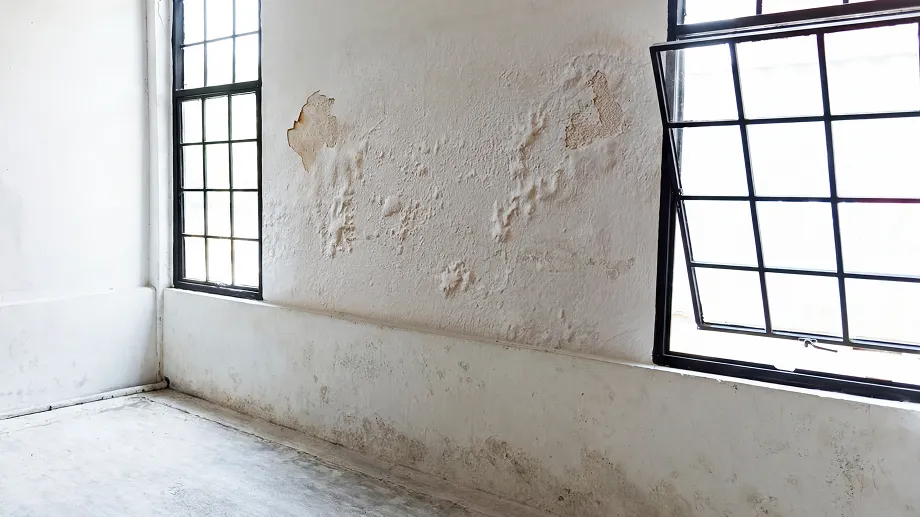
Dampness in walls is one of the most underestimated problems in building maintenance. Most people notice the stains, the peeling paint, or the musty smell and assume a coat of paint will fix it. It will not.
Persistent moisture in walls weakens structural materials, corrodes steel reinforcement, promotes mold growth, and reduces property value. In India, where monsoon seasons subject buildings to intense and sustained rainfall, dampness is not an occasional inconvenience. It is one of the leading causes of premature structural deterioration.
This guide covers the six primary causes of dampness in walls, the damage it causes if ignored, and the most effective prevention strategies, both during construction and after.
What is Dampness in Walls?
Dampness refers to the unwanted presence and accumulation of moisture within walls, floors, or ceilings. It occurs when water penetrates a building structure through cracks, leaks, inadequate waterproofing, or absorption through porous materials.
Visible signs of dampness in walls include:
- Peeling, bubbling, or flaking paint
- White powdery deposits on surfaces (efflorescence)
- Dark patches and discoloration
- Mold and mildew growth
- Musty or stale odors
- Crumbling plaster and surface deterioration
These symptoms indicate that moisture has already been present for some time. Early identification and treatment prevent these construction moisture problems from escalating into structural failures.
6 Common Causes of Dampness in Walls
Understanding the root cause is the first step toward effective treatment.
01
Water Leakage from Plumbing
Hidden plumbing leaks are among the most common causes of dampness in walls. Water pipes concealed within walls continuously release moisture into surrounding bricks and mortar, often going undetected for weeks or months before visible damage appears.
Warning signs:- Localized damp patches that do not dry out
- Unexplained increase in water bills
- Soft or swollen wall surfaces
- Continuous moisture even during dry weather
02
Rainwater Penetration Through External Walls
Exterior walls are exposed to direct rainfall, wind-driven moisture, and seasonal temperature fluctuations. When external surfaces have cracks, poor-quality plaster, damaged joints, or inadequate waterproof coatings, rainwater seeps through and accumulates inside the wall structure.
Buildings in high-rainfall regions, particularly those facing monsoon seasons, are especially vulnerable. Applying a quality waterproofing treatment for walls to external surfaces before the rainy season is one of the most effective preventive measures available.03
Rising Damp from Groundwater
Groundwater naturally contains dissolved salts and minerals. When damp proof courses are absent or have failed, this moisture travels upward through porous materials such as bricks and mortar through a process called capillary action. The result is called rising damp.
Signs of rising damp:- Dampness concentrated near the base of walls
- Tide marks and salt deposits at a consistent height
- Peeling paint close to floor level
- Weakening and crumbling plaster
04
Poor Construction Practices and Material Quality
The quality of materials and construction workmanship directly determines how resistant a building is to moisture intrusion over its lifetime.
Common construction-stage failures that lead to dampness include:- Incorrect cement-to-sand ratios in mortar and plaster
- Inadequate concrete compaction, leaving internal voids
- Insufficient curing, resulting in porous concrete
- Use of low-grade cement with high water permeability
- Poorly executed plastering work
Concrete permeability is one of the most critical factors governing moisture resistance. Poor-quality or improperly stored cement is a common contributor, and checking the cement quality before use is a practical step every contractor should follow.
As specified in IS 456:2000 (the Bureau of Indian Standards code for reinforced concrete), concrete mix design must account for the exposure conditions the structure will face. In moderate to severe exposure environments, controlling the water-cement ratio and using appropriate cement types are primary protective measures.
Choosing a cement with low permeability and high durability, such as Portland Pozzolana Cement (PPC) or GGBS cement, significantly reduces the risk of moisture-related construction problems.05
Roof and Terrace Leakage
Roofs and terraces bear the full force of direct rainfall, UV radiation, and temperature cycling. Over time, the waterproofing layer degrades, expansion joints crack, and small fissures open in the terrace slab. Water entering through these gaps travels downward through the structure, appearing as dampness in walls and ceilings below.
Many homeowners are surprised when dampness appears during the monsoon season. The connection between a hairline crack on the terrace and a damp patch on the bedroom wall one floor below is not always obvious, but it is one of the most common moisture pathways in Indian residential construction.
Preventive waterproofing of terraces and roofs before each monsoon season is an investment that typically costs far less than repairing the damage caused by neglect.06
Condensation and Indoor Humidity
Not all moisture comes from outside. Daily activities such as cooking, bathing, drying clothes indoors, and inadequate ventilation generate significant indoor humidity. When this humid air contacts cooler wall surfaces, moisture condenses on and within the wall material.
Condensation dampness is most common in:- Kitchens and bathrooms
- Basement rooms
- Poorly ventilated apartments
- Buildings with single-glazed windows in cooler climates
How Dampness Affects Buildings: The Real Cost of Ignoring It
01
Structural Damage
One of the most serious consequences of dampness is the gradual weakening of construction materials. When moisture continuously penetrates concrete, brick masonry, plaster, and mortar joints, it reduces their strength and durability over time.
What may begin as a small damp patch can eventually lead to cracks, surface deterioration, and a decline in the overall stability of the structure. Prolonged exposure to moisture can significantly shorten the lifespan of a building and result in costly repairs.02
Paint and Surface Deterioration
Dampness often becomes visible through damaged wall finishes. As moisture accumulates behind painted surfaces, it weakens the bond between the paint and the wall.
Leading to:
- Peeling
- Flaking
- Bubbling
- Discoloration
Repeated repainting increases maintenance costs.
03
Mold and Fungal Growth
Moist environments provide ideal conditions for mold and fungal growth. Once mold begins to spread on walls and ceilings, it not only damages surfaces but can also affect indoor air quality. Exposure to mold can cause:
- Allergies
- Respiratory irritation
- Asthma complications
- Unpleasant odors
This makes dampness a health concern as well as a structural one.
04
Corrosion of Reinforcement
When moisture reaches reinforced concrete structures, steel bars begin to corrode.
Corrosion expands the steel, creating internal pressure that leads to:
- Cracks
- Concrete spalling
- Reduced structural strength
Over time, corrosion can compromise the safety and performance of the building if corrective action is not taken.
05
Reduced Property Value
Effective Wall Seepage Solutions
01
Repair Water Leaks Without Delay
A small plumbing leak left untreated for six months can saturate a large section of wall masonry. Identify and repair leaking pipes, damaged joints, and faulty fittings as soon as signs appear. Where pipes run inside walls, targeted plumbing inspection using pressure testing or thermal imaging can locate leaks without unnecessary demolition.
02
Seal Cracks and External Openings
Cracks in external walls, gaps around window frames, and deteriorated plaster joints are common entry points for rainwater. Use polymer-modified cement-based repair mortars or elastomeric sealants to seal these openings. Pay particular attention to window sills, parapet walls, and any horizontal surface where water can pool before draining.
03
Improve Site Drainage
Water collecting around the building foundation increases hydrostatic pressure against basement walls and elevates groundwater levels. Ensure the ground slopes away from the building at an adequate gradient, clean gutters and downpipes regularly, and ensure that surface drainage channels are functional before monsoon season.
04
Apply Waterproof Coatings
- External wall surfaces
- Terraces and roof slabs
- Bathroom and kitchen walls
- Basements and retaining walls
- Water tanks and wet areas
05
Use Anti-Damp Treatments for Existing Walls
Crystalline waterproofing compounds and silane/siloxane penetrating treatments can reduce moisture absorption in existing wall surfaces. These are particularly useful for walls that show early signs of dampness before deterioration has progressed significantly.
Preventing Dampness in Walls During Construction
Preventing dampness at the construction stage is significantly more economical than remedial treatment after the building is complete.
01
Choose Cement with Low Permeability
The cement used in concrete and plaster directly determines how resistant the structure is to water penetration. High-quality blended cements such as Portland Pozzolana Cement (PPC) and GGBS cement produce a denser concrete matrix with lower permeability compared to standard OPC.
Vasuki Cement’s PPC and GGBS grades are formulated to reduce concrete porosity, improve long-term durability, and enhance resistance to moisture penetration, making them well-suited for construction in humidity-prone or high-rainfall regions across Gujarat and India.02
Ensure Proper Concrete Curing
Curing maintains the moisture content in concrete during the early stages of hydration, enabling full strength development and producing a denser, less porous structure. Inadequate curing is one of the most common causes of high concrete permeability and subsequent moisture problems.
The minimum curing period for most structural concrete is 7 days under IS 456:2000. For blended cements, extended curing of 14 days is recommended to allow the full development of the pozzolanic or slag reaction.
03
Install a Damp-Proof Course (DPC)
A damp-proof course is a horizontal barrier, typically of bituminous felt, polymer sheet, or rich cement mortar, installed at plinth level to prevent groundwater from rising into the wall structure through capillary action. DPC installation is a standard and mandatory practice in well-designed buildings and is among the most reliable damp proofing methods available.
04
Integrate Waterproofing Systems at Construction Stage
- Raft foundations and basement slabs
- Bathroom and wet area floors and walls
- Water tanks and sumps
05
Use Correct Mix Proportions and Workmanship Standards
Proper mix design reduces concrete porosity by minimizing excess water content and ensuring full compaction. A lower water-cement ratio produces denser, more durable concrete that resists moisture penetration more effectively. Follow the mix design guidelines as per IS 10262 for structurally exposed elements.
06
Ensure Quality Plastering
External plaster is the first line of defense against rainwater penetration. A two-coat plaster system using well-graded sand, appropriate cement, and correct thickness provides effective protection when applied to a properly dampened base coat and cured adequately.
Wall Protection Tips for Homeowners: Maintenance Checklist
Ongoing maintenance substantially extends the moisture-free life of a building. Follow these practices regularly:
- Before monsoon season: Inspect and seal cracks in external walls, parapet walls, and terrace surface; clean gutters and downpipes; check waterproofing condition on terraces and balconies
- Monthly: Check under kitchen and bathroom sinks and around plumbing fixtures for signs of moisture
- Annually: Schedule a plumbing pressure test if the building is over 10 years old
- Immediately: Repair any visible cracks in plaster or masonry before they allow water ingress
- Year-round: Maintain ventilation in bathrooms, kitchens, and basement spaces to control indoor humidity
When to Call a Professional
Some dampness problems require professional diagnosis, particularly when:
- Damp patches persist or reappear after repair
- Multiple walls across different rooms are affected
- Structural cracks accompany the moisture
- Mold growth is extensive or recurs repeatedly
- The building is older and may lack a damp-proof course
- Seepage appears in basement or foundation areas
A structural or waterproofing specialist can perform a moisture survey using electronic meters and thermal imaging to identify the precise source and pathway of moisture intrusion before recommending a corrective approach.
Conclusion
Dampness in walls is a progressive problem. What begins as a minor stain or small damp patch develops, if left untreated, into structural deterioration, mould growth, reinforcement corrosion, and significant repair costs. In India’s construction environment, where monsoons are intense and building quality is variable, moisture management is not optional. It is a structural priority.
The most cost-effective approach is always prevention: using the right cement, installing damp-proof courses, ensuring proper curing, and applying waterproofing systems at the construction stage. For existing buildings, early diagnosis and targeted repair cost a fraction of the remediation required once damage is advanced.
Vasuki Cement’s PPC and GGBS grades provide the low-permeability, high-durability concrete that forms the foundation of moisture-resistant construction. Choose materials that protect your investment from the ground up.
Planning a construction or renovation project? Contact Vasuki Cement to find the right cement for your application.
FAQs
What are the most common causes of dampness in walls?
How does cement quality affect dampness in walls?
Cement quality determines the permeability of concrete and plaster. Higher-quality blended cements, such as PPC and GGBS, produce a denser concrete matrix with lower water permeability than standard OPC. This makes the structure more resistant to moisture penetration and reduces the likelihood of dampness over the building’s lifetime.
How do I prevent dampness in walls during the monsoon season?
When should I call a professional for wall dampness?
Can waterproof paint alone prevent dampness in walls?
Looking for Cement Supply or Dealership?
Partner with us for consistent quality, competitive pricing, and dependable delivery.
Looking for Cement Supply or Dealership?
Partner with us for consistent quality, competitive pricing, and dependable delivery.