 88222 82888

PPC Cement: Benefits, Applications, and Why It Delivers Long-Term Construction Performance
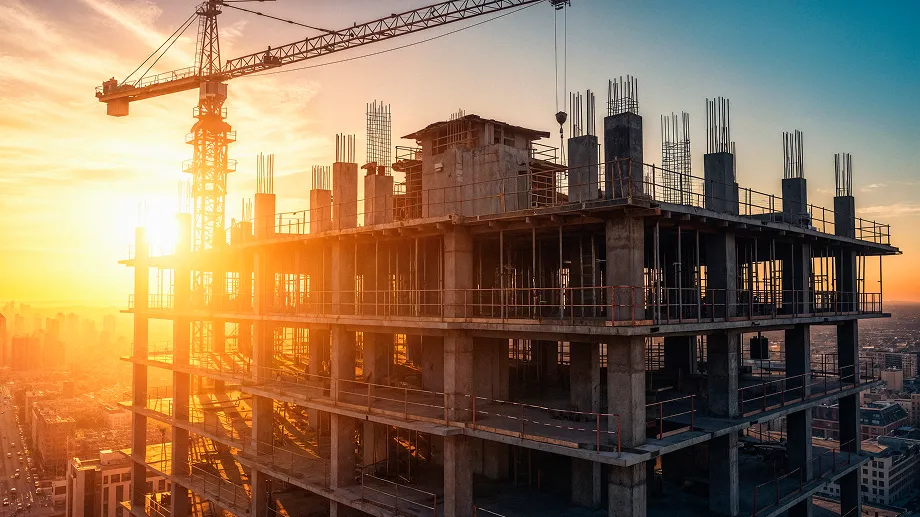
Cement is the binding foundation of every structure. A well-chosen cement grade extends a building’s service life, reduces long-term maintenance costs, and protects against the specific environmental stresses the structure will face over decades.
PPC Cement, or Portland Pozzolana Cement, has become the dominant choice for modern construction in India because of its long-term performance across residential, commercial, infrastructure, and marine applications. Its composition, working mechanism, and durability profile make it the preferred specification wherever structures need to perform reliably over extended timeframes rather than simply achieve early strength.
This article covers what PPC cement is, how it is composed, its key advantages, its most important construction applications, and how to use it correctly on site.
What is PPC Cement?
PPC Cement is a blended cement manufactured by intergrinding or blending Portland cement clinker with pozzolanic materials such as fly ash, volcanic ash, or calcined clay, along with gypsum. The pozzolanic content typically ranges between 15 and 35 percent of the total blend, as specified under IS 1489 (Part 1) for fly ash-based variants published by the Bureau of Indian Standards.
Pozzolanic materials do not possess cementing properties on their own. When they react with calcium hydroxide released during the hydration of clinker in the presence of water, they form additional calcium silicate hydrate (C-S-H), the primary compound responsible for concrete strength and density. This secondary reaction is slower than primary clinker hydration, which is why PPC cement develops strength gradually but continues to improve beyond the standard 28-day measurement period.
The result is a concrete matrix that is denser, less permeable, and more resistant to environmental and chemical attack than equivalent OPC concrete, particularly over long timeframes.
PPC Cement Benefits
01
Superior Long-Term Durability
The pozzolanic reaction creates additional C-S-H gel that fills micro-pores in the concrete matrix. This densification reduces permeability and improves resistance against moisture, chemicals, and environmental degradation over time. Structures built with PPC cement typically show less deterioration, require less maintenance, and achieve a longer service life than equivalent OPC structures in the same exposure conditions.
For structures in Gujarat’s demanding climate, where monsoon moisture, high summer temperatures, and coastal saline exposure all place real demands on construction materials, Vasuki Cement’s PPC grade delivers this long-term durability advantage consistently.02
Reduced Heat of Hydration and Better Crack Resistance
PPC cement generates less heat during hydration than OPC because its lower clinker content reduces the exothermic hydration reaction. In mass concrete pours, thick foundations, large slabs, and retaining walls, the heat generated in the core of a pour creates a temperature differential with the cooler surface. That differential causes thermal stress and early-age cracking.
Lower heat of hydration in PPC cement reduces this gradient, minimizing thermal cracking before the concrete has carried any imposed load. This makes PPC the standard specification for mass concreting in infrastructure projects and for large residential foundations in hot climates.
03
Improved Workability
The fine particle size and pozzolanic content in PPC cement improve the rheology of fresh concrete. The mix becomes more cohesive, smoother in handling, and easier to place and finish. Reduced bleeding and segregation produce a better surface finish and a more uniform concrete microstructure throughout the element.
For plastering, masonry, and decorative concrete applications, this workability improvement has visible practical benefits in the quality of the finished surface.04
High Resistance to Sulphate and Chloride Attack
05
Eco-Friendly and Sustainable
PPC cement production uses fly ash, a byproduct of thermal power plants, to replace a portion of clinker. Since clinker manufacturing requires high-temperature kiln firing and generates approximately 0.8 to 0.9 tonnes of CO₂ per tonne of clinker produced, replacing clinker with fly ash directly reduces the embodied carbon of the cement.
This makes PPC cement the preferred specification for construction projects with sustainability requirements and aligns with India’s national objectives for reducing construction-related carbon emissions.06
Cost-Effectiveness Over the Structure's Lifecycle
07
Lower Permeability and Improved Water Resistance
PPC Cement Uses Across Construction Categories
01
Residential Construction
PPC cement is widely used in residential buildings for foundations, RCC structural elements, masonry, plastering, and flooring. Its crack resistance, workability, and long-term durability make it suitable for all stages of residential construction. For homeowners and contractors in Gujarat, where both construction quality and the choice of the best cement for house construction directly influence structural performance over decades, PPC is a practical choice for non-structural applications and for structural elements where construction schedules allow adequate curing time.
02
High-Rise Buildings and Commercial Construction
03
Marine and Coastal Structures
Ports, harbours, piers, sea walls, and coastal bridges are exposed to simultaneous chloride ingress, moisture cycling, and chemical attack. PPC cement is one of the most effective specifications for these environments. Cement for coastal and hot climate environments places specific demands on cement grade selection beyond PPC alone in the most aggressive marine zones, but for general coastal construction PPC is among the most well-rounded specifications available.
04
Dams, Reservoirs, and Hydraulic Structures
05
Mass Concrete Works
06
Sewage and Underground Infrastructure
07
Roads, Bridges, and Infrastructure Projects
08
Construction Scheduling Considerations for PPC Cement
PPC cement develops strength gradually through the pozzolanic reaction, which continues beyond the standard 28-day measurement period. This gradual development is a durability advantage in most applications but requires consideration in construction programmes where concrete must reach a minimum strength before the next stage proceeds.
For applications such as fast-cycle precast production, early formwork removal, or structural elements carrying load within days of casting, the construction schedule should account for PPC cement’s slower early strength gain. Adequate curing time and, where necessary, mix design adjustments ensure PPC cement performs to its full specification.
Tips for Using PPC Cement Effectively
PPC cement performs at its full potential only when site practices support the pozzolanic reaction. The secondary reaction requires moisture and adequate temperature over an extended curing period.
- Curing duration: IS 1489 recommends a minimum of 14 days moist curing for PPC concrete in moderate to severe exposure conditions. Terminating curing early limits pore refinement and reduces the long-term durability advantage.
- Water-cement ratio: Control mix water carefully. Excess water reduces concrete density and permeability resistance, undermining the primary benefit of using PPC cement.
- Storage: Store cement bags on raised platforms in dry conditions. PPC cement, like all cement types, is sensitive to moisture exposure before use. Checking cement quality before use is especially important for PPC cement, which loses reactivity faster than OPC when exposed to moisture during storage.
- Mix design: Follow IS 10262 mix design guidelines for the specific exposure class and concrete grade required.
- Application temperature: In cold weather, the pozzolanic reaction slows significantly. Account for this in construction scheduling and, where necessary, use insulated curing or heated mixing water.
Why PPC Cement Is the Standard for Long-Term Construction
The fundamental reason PPC cement has become the preferred specification for durable construction in India is that its performance profile matches the demands most Indian structures actually face over their lifetimes.
Buildings are exposed to monsoon moisture, coastal chlorides in many regions, aggressive soils, high summer temperatures, and pollution. Conventional OPC concrete performs adequately in the short term but is more vulnerable to these long-term stressors. PPC cement’s dense microstructure, chemical resistance, and continuing strength development addresses the deterioration mechanisms that drive maintenance expenditure in Indian construction.
For structures where the design life is measured in decades, the material that performs better at year ten, fifteen, and twenty is more important than the one that performs best at 28 days. PPC cement is that material for the majority of construction applications in India.
Vasuki Cement’s PPC grade is manufactured to IS 1489 standards, with consistent quality control across batches, making it a reliable specification for residential, commercial, and infrastructure projects across Gujarat.
Conclusion
PPC cement is the specification for construction that is designed to last. Its dense microstructure, chemical resistance, crack resistance, and eco-friendly composition address the durability demands that modern construction places on cement across residential, commercial, coastal, and infrastructure applications.
The structures that perform best over twenty, thirty, and fifty years are those built with materials matched to their long-term exposure conditions rather than to short-term scheduling convenience. Portland Pozzolana Cement is the material for the majority of construction in India.
Ready to choose the right cement for your next project? Contact Vasuki Infra for specifications, pricing, and delivery across Gujarat.
FAQs
What is PPC Cement and how is it made?
What is the difference between PPC and OPC cement?
Is PPC cement good for house construction?
What are the main benefits of PPC cement?
What is PPC cement used for?
Looking for Cement Supply or Dealership?
Partner with us for consistent quality, competitive pricing, and dependable delivery.
Looking for Cement Supply or Dealership?
Partner with us for consistent quality, competitive pricing, and dependable delivery.